
The truffle on your plate in India is rarely the delicacy it pretends to be. What most diners encounter is a loud, perfumed imitation of luxury rather than the real, earthy, fleeting thing. And that illusion has become the new normal—something even chefs struggle to correct. As Chef Parth Saxena, head chef at The Arts Room in Delhi, puts it toward the end of yet another truffle-scented service, “Truffle is aspirational but perishable. So, restaurants resort to oil. And because real infused oil is costly, most settle for synthetic versions. That’s where the problem lies.”
Real truffles are tender and slightly spongy to the touch, shaved into gossamer-thin slices because their aroma—forest floor, warm nuts, deep umami—evaporates the moment heat gets too close. They are complex, ephemeral, almost shy. But the truffle oil dominating Indian menus is anything but shy. Its scent is brash, heavy, unmistakably synthetic, powered by 2,4-dithiapentane, a lab-produced compound that mimics only one fragment of a truffle’s personality while steamrolling everything else.
The result is a culinary paradox: diners raised on truffle oil now believe that sharp, punchy smell is authentic. So when they finally meet the real thing—often the French black truffle, Tuber melanosporum—they find it too gentle, too quiet, too underwhelming.
Fresh truffles, the kind that inspire reverence in European kitchens, undergo a frantic global relay: foraged in Italy, flown overnight, rushed through customs, carried into kitchens with only days of life left. The French black truffle is among the most expensive edible fungi in the world. While other varieties like the white truffle and the summer black truffle exist, but are highly regional, difficult to source, and prohibitively expensive to import. They’re inherently incompatible with the expectation of a dramatic, room-filling aroma. Even real infused truffle oil is at best a suggestion—not a stand-in—for the magic of actual shavings.
For Chef Vidhushi Sharma, the obsession is less gastronomic and more performative. “It’s bougie—like caviar or Cristal,” she says. “A flex. People like showing off truffles more than actually eating them. People who finally taste fresh truffles will find it too delicate. And it keeps us chasing western luxury when we should celebrate our own ingredients.” She champions the gucchi morel from Kashmir—a homegrown, deeply aromatic ingredient with every bit of the mystique diners claim to seek.
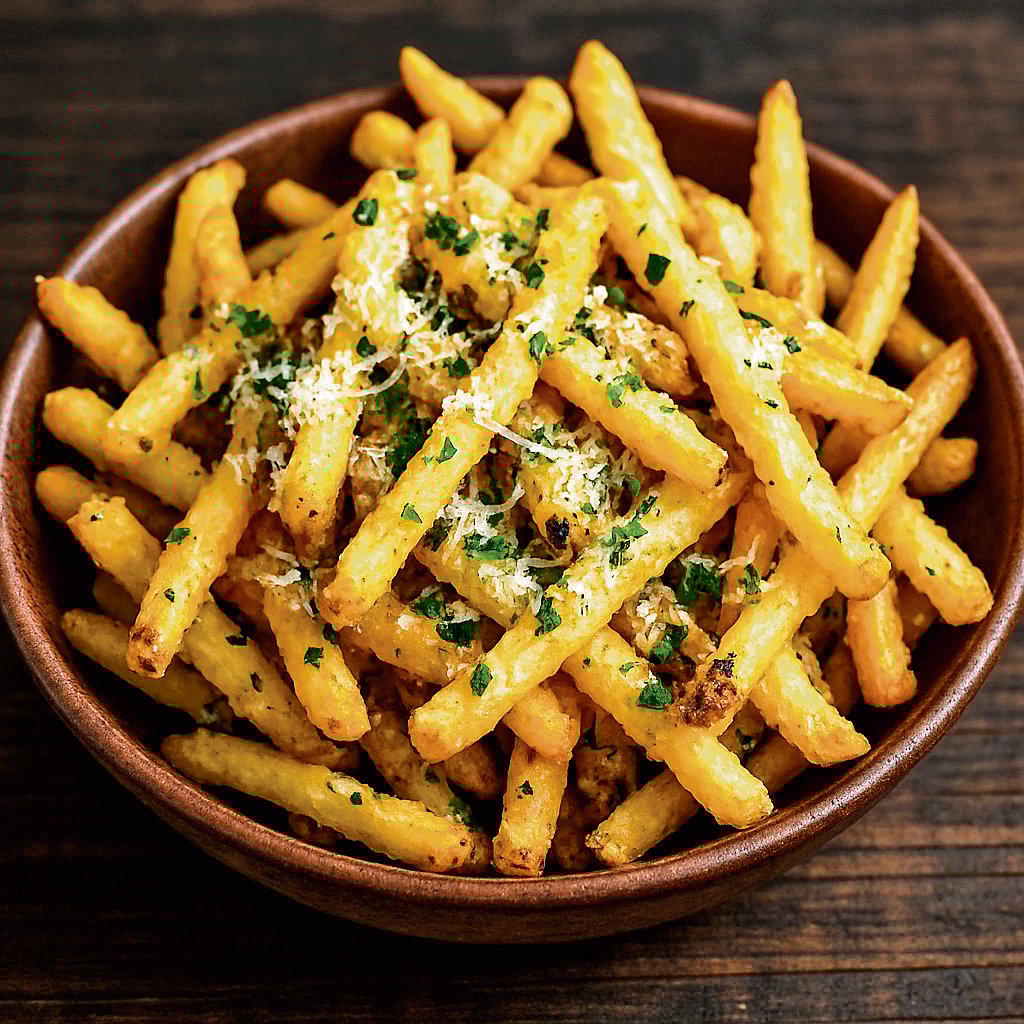
“We come from the land of morels. we should be proud of our own produce,” she says. Saxena sees the trend escalating with social media. “Truffle fries, truffle burrata, truffle everything—demand has skyrocketed with virality,” he adds. Instagram loves drama, and synthetic oil delivers it more reliably than any foraged fungus ever could.
Truffle in India remains what it has quietly become: a sensory costume, a curated illusion, a luxury performed rather than experienced. Until diners encounter the real thing—and learn to love its subtlety—the scent that fills our restaurants will continue to be just that: a fragrance pretending to be flavour.
from Food https://ift.tt/QAucVHk


0 Comments